Press Release: Coalition for the Homeless' 2023 Count Results Show Decrease in Unsheltered Homelessness
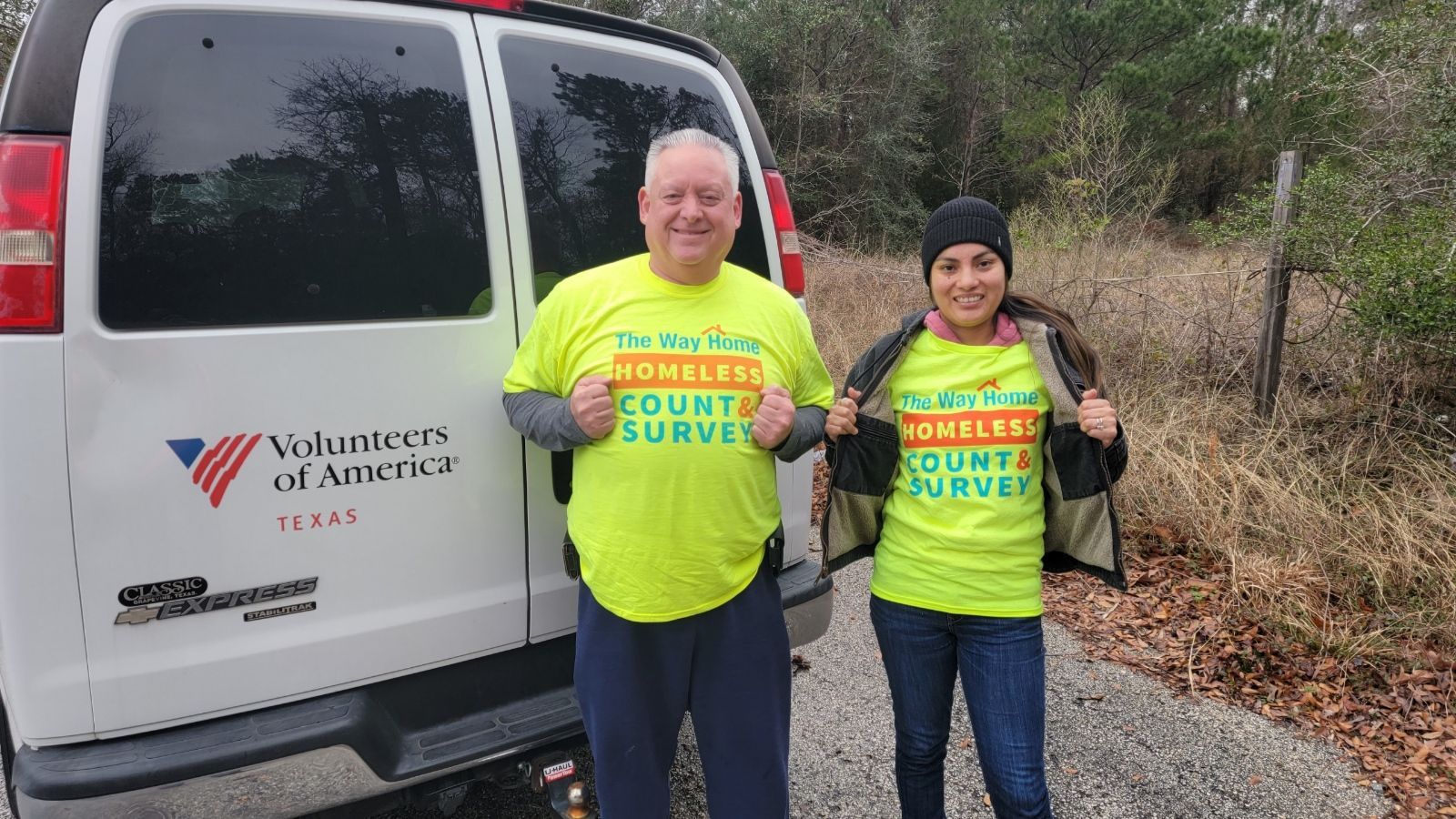

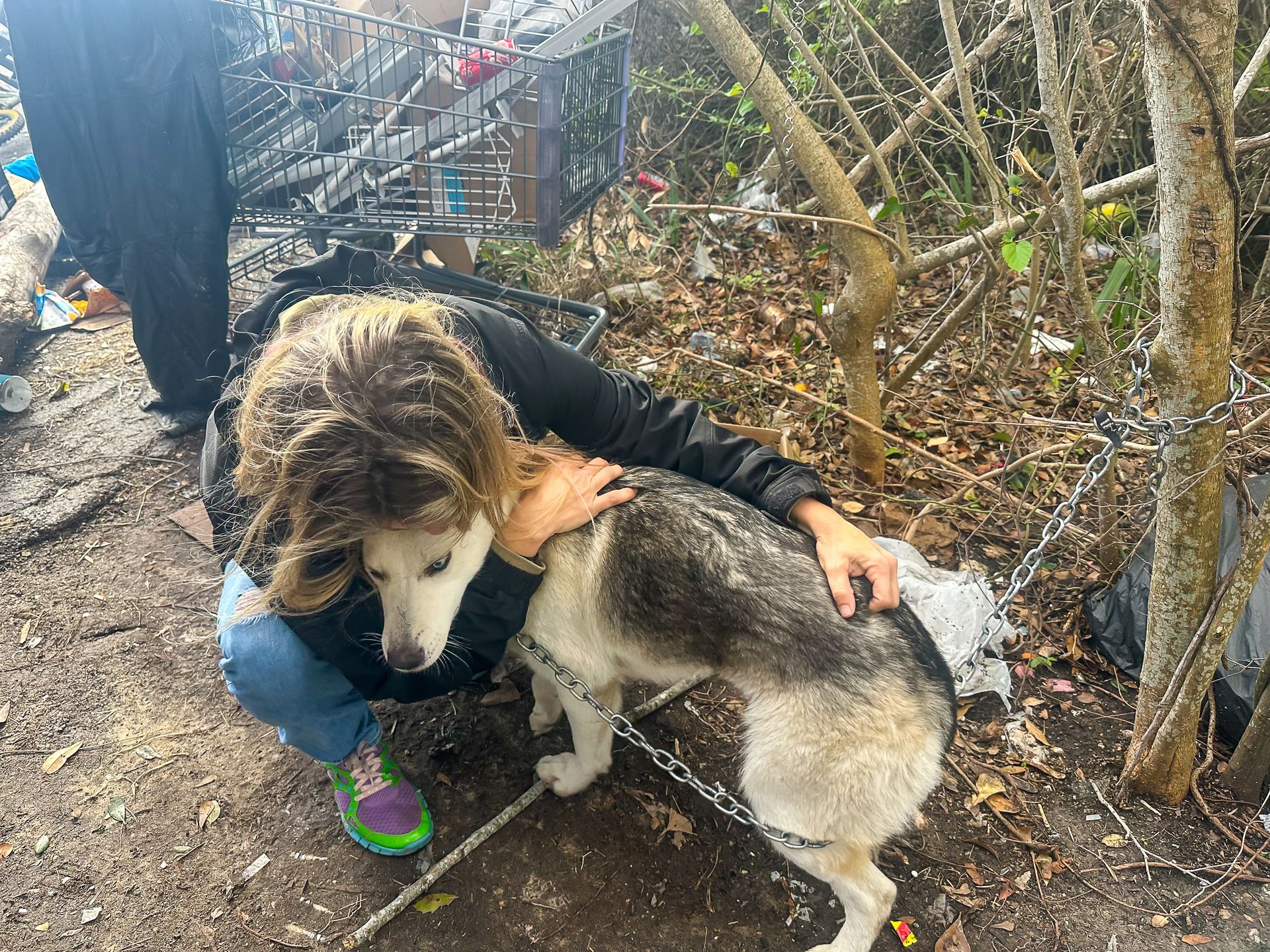
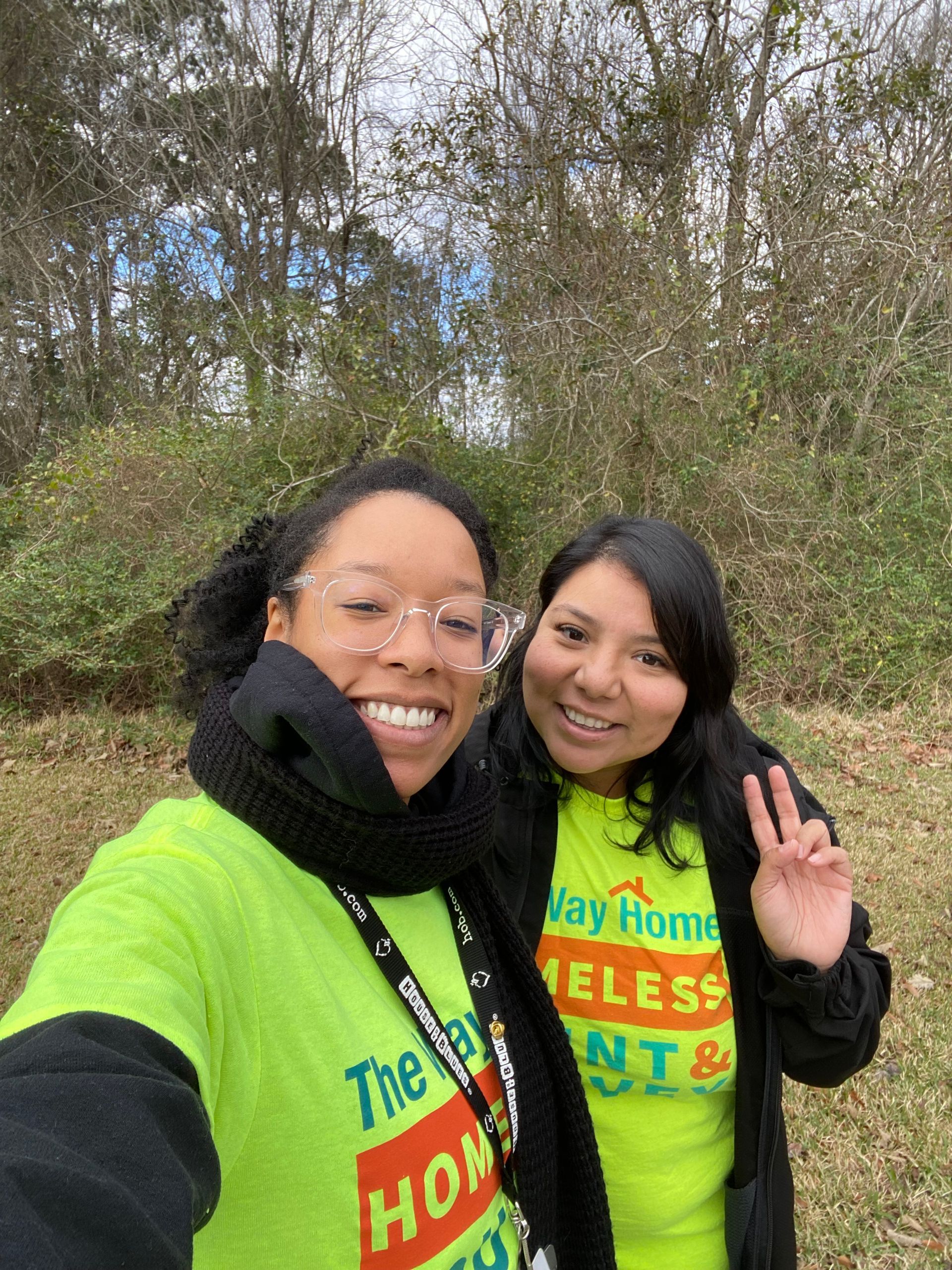
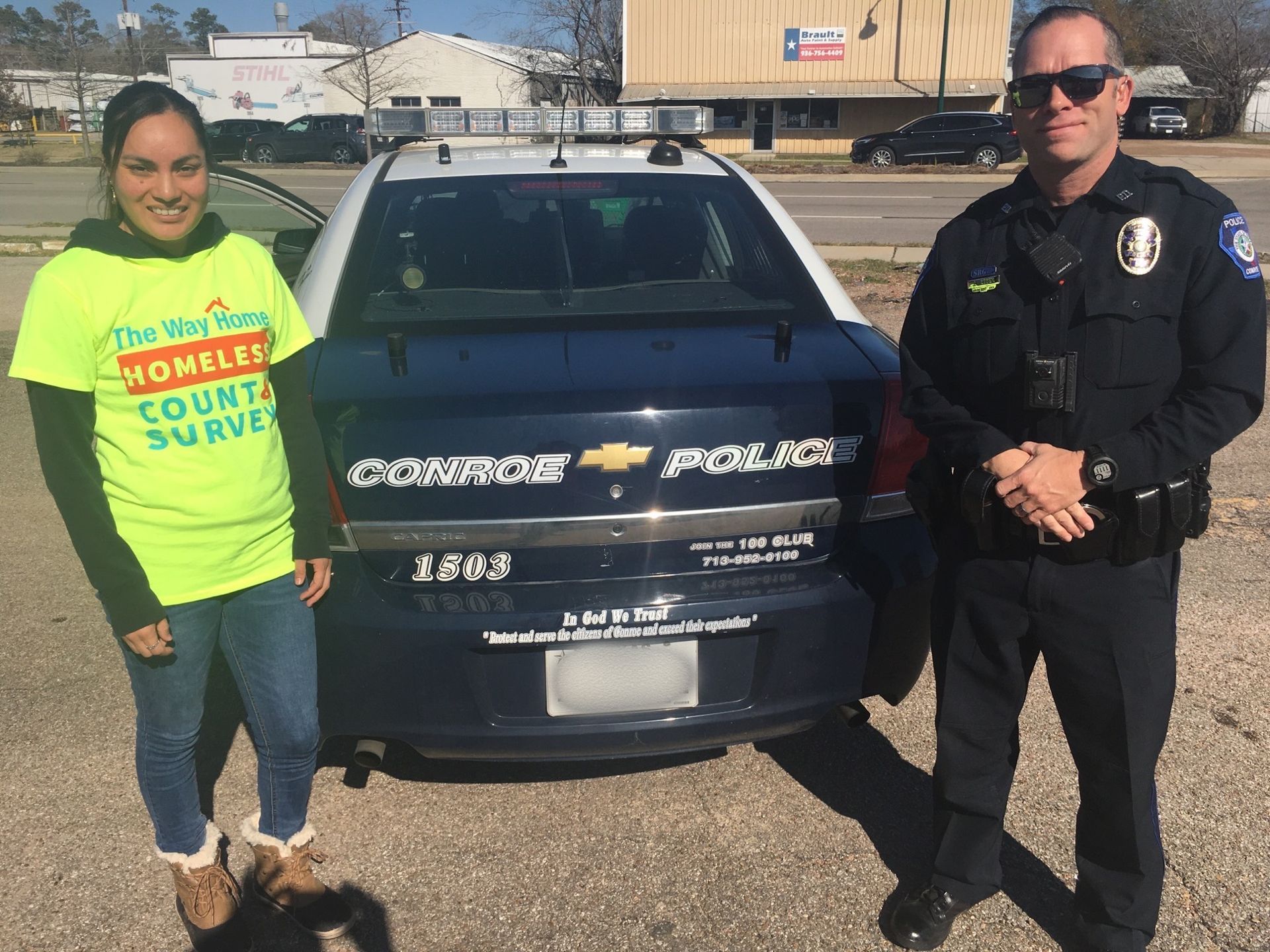

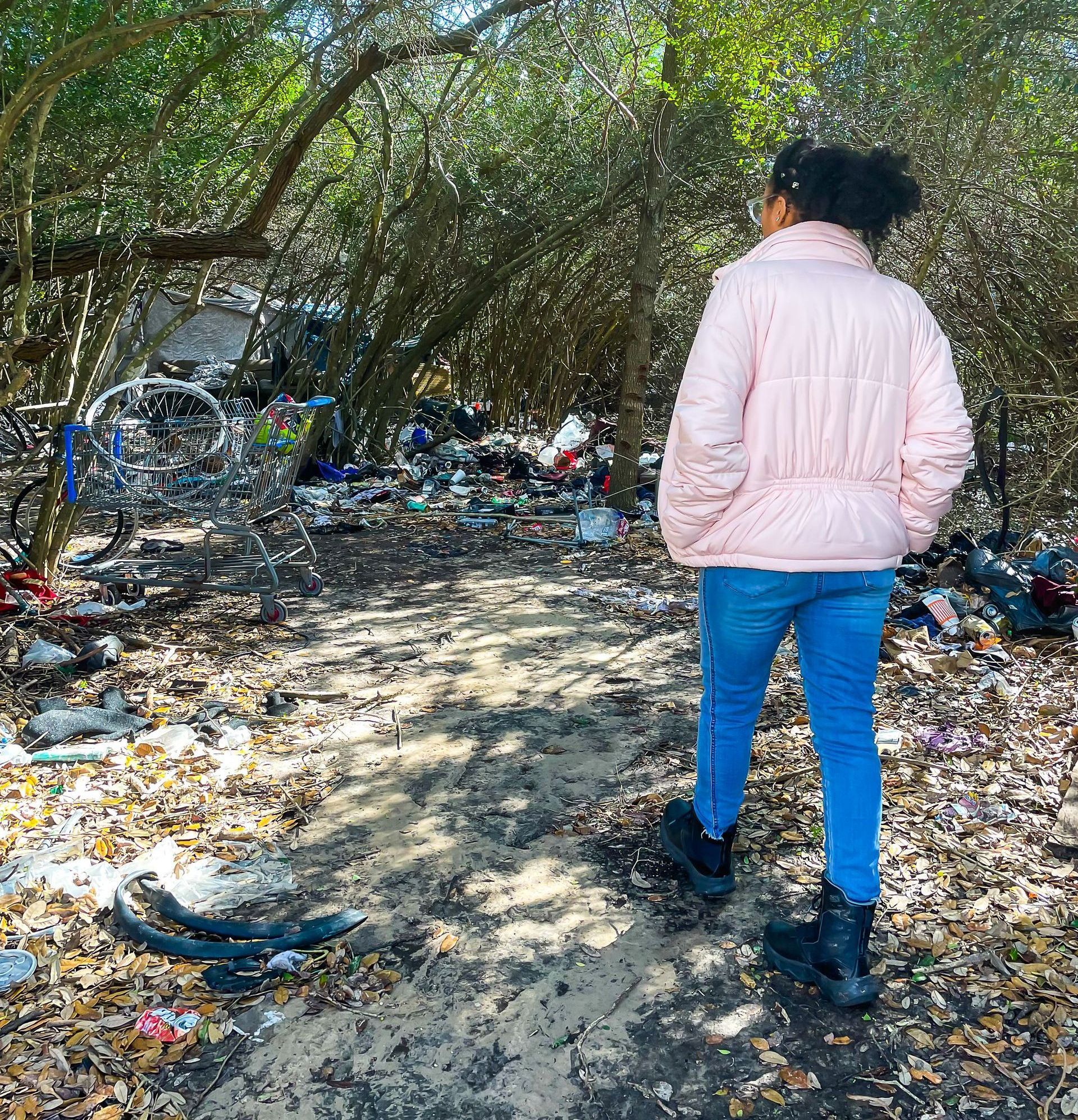

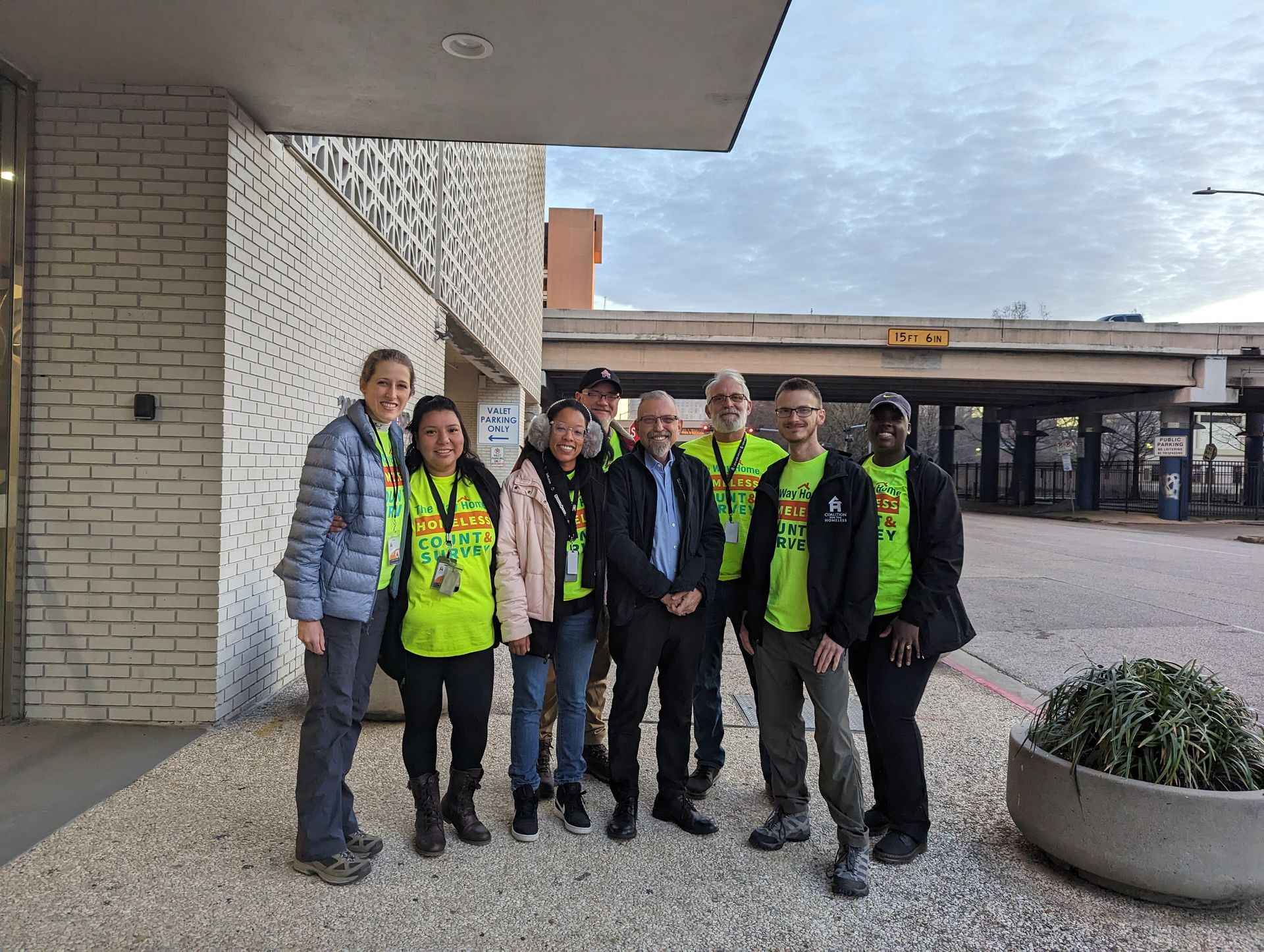
Houston, Texas (May 3, 2023) — The Coalition for the Homeless of Houston/Harris County’s 2023 Point-in-Time Homeless Count & Survey found a total of 3,270 people experiencing homelessness on the night of Jan. 23, 2023, in Harris, Fort Bend, and Montgomery counties, Texas. The results reflect an 18% decrease in overall homelessness in the area since 2020, the last count conducted prior to the pandemic. Overall, the region has seen a 61% reduction in homelessness since 2011.
The Coalition for the Homeless, a 501c3, coordinates the annual “PIT Count” on behalf of the local homeless response system, The Way Home.
This was the first Count conducted since a prominent New York Times article published in June 2022 brought national and international attention to the Houston region’s progress in reducing homelessness through permanent housing plus supportive services.
This year, the Count found 1,242 people living unsheltered, a decrease of 17% since 2022. Meanwhile, the 2023 Count found 2,028 people staying in shelter, an increase of 18% over 2022. Demographic data suggests that people didn’t simply relocate from the streets to shelter.
The increase in the sheltered number is likely due to relaxation of pandemic restrictions on maximum shelter bed occupancy levels. In other words, shelter occupancy was lowered due to COVID but is now returning to pre-pandemic levels. That, combined with a high instance (51%) of people in shelters experiencing homelessness for the first time in the past year, suggests that the increase in sheltered homelessness is not simply due to the migration of those living unsheltered to shelters; the increased shelter capacity has helped those newly experiencing homelessness, particularly families, to have a place to stay other than in vehicles or on the streets.
Meanwhile, the decrease in the unsheltered number is likely due to the partners of The Way Home having undertaken several initiatives to accelerate access to housing. Most recently, with investments from Harris County and the City of Houston as well as private philanthropy, the Community COVID Housing Program (CCHP) made use of federal COVID relief funds to place people in permanent housing. The funding also allowed for the “decommissioning” of encampments. The City’s new housing navigation center operated by nonprofit partner Harmony House officially opened after the Count but will be crucial in continuing to help people off the streets and on the path to housing.
“Reducing homelessness by 17% in one year, and nearly 40 percent since coming into office, does not happen by mistake,” said Houston Mayor Sylvester Turner. “Rather, it’s the result of making it a top priority, enhancing our invaluable partnership with Harris County and the community, and strategically funding data-proven, holistic housing solutions. Although Houston is showing the state and nation how to reduce street homelessness and encampments successfully, the job is not done. We will continue our groundbreaking, successful efforts until every Houstonian is off our streets. We must do more.”
“Many areas around the country are struggling with dramatic increases in homelessness. I am proud we are leading the way with this collaborative effort. Over $165 million has been invested, with funding from Harris County, the City of Houston, and private philanthropic organizations,” said Harris County Judge Lina Hidalgo. “We are working alongside local nonprofits and community stakeholders, and by no means have solved this issue, but we are making great strides and serving as a national model.”
“Homelessness is the result of poverty and a lack of affordable housing. We still have a distance to go to end homelessness and ensure that everyone has access to a stable and safe home,” said Harris County Precinct 1 Commissioner Rodney Ellis. “Harris County is making significant investments to end homelessness and provide resources to reduce housing insecurity and poverty. The point-in-time count offers a critical insight into how and when people experience homelessness. It’s also an important tool to guide our policies, programs, and investments to make homelessness a rare and brief occurrence.”
“A reduction of the number of people living unsheltered in the region by 17% is fantastic news,” said Frida Villalobos, spokesperson for Harris County Precinct 2 Commissioner Adrian Garcia. “It shows that the Community COVID Housing Program, funded by joint investments by Harris County and the City of Houston, is working. Commissioner Garcia is thrilled that the investments are working but understands money alone won’t solve the issue. Our partners at the Coalition for the Homeless, all the volunteers, and the network of non-profits should be saluted for their work. We look forward to this trend continuing."
“I’m encouraged by the progress shown in the results of this year’s Point-In-Time Count,” said Harris County Precinct 4 Commissioner Lesley Briones said. “Harris County is a national leader in its response to homelessness because of the emphasis on data-driven, evidence-backed policies and interventions. As we move forward, we must remain committed to finding effective, sustainable solutions to address the root causes of homelessness and support vulnerable members of our community. Thank you to the Coalition for the Homeless of Houston/Harris County and my colleagues on Commissioners Court for their work on this important issue.”
“It is good news that homelessness hasn’t risen despite the fact that evictions are higher than ever before and that Houston is the second fastest-growing major metro area in the country,” said Michael Nichols, president and CEO of the Coalition for the Homeless. “The Way Home continues to prove how public-private collaboration among governments, nonprofits, and philanthropy can effectively address homelessness. At the same time, we know that that we will never be able to truly ‘solve’ homelessness without addressing the causes of homelessness, like lack of affordable housing, broken safety nets and systems, and poverty in general. So, the true barometer of our success, what we can actually control, is how many people we can get into housing — and help stay there.”
Other key findings from the 2023 Homeless Count include:
- 42% of unsheltered persons were homeless for the first time (up from 40% in 2022).
- 9% of unsheltered persons indicated they were homeless due to COVID, compared with 13% in 2022.
- 33% (a plurality) of unsheltered persons cited an economic impact as the primary cause of their homelessness.
- People who are Black or African American make up 55% of the population experiencing homelessness compared to only 20% of the population.
- More than 9,300 people were living in a housing program of The Way Home on the night of Jan. 23, 2023.
- More than 28,000 people have been placed in permanent housing (Permanent Supportive Housing or Rapid Re-Housing) through The Way Home since 2012.
More about the PIT Count
The Count is used by the U.S. Department of Housing and Urban Development to determine the effectiveness of collaboration and homeless programs in Harris, Fort Bend, and Montgomery counties. The annual Count cannot provide an exact number of people experiencing homelessness for several reasons, including the daily fluctuating number and the vast area (3,700+ square miles) being canvassed by volunteers. However, it is considered a critical metric and is highly effective at illustrating trends over time. The Count results are combined with additional data points, like the information tracked in the Homeless Management Information System (HMIS), to gauge progress of the local homeless response system.
Our region is one of the few that attempts face-to-face interviews during the unsheltered count, rather than observational headcounts only. This allows for the provision of additional information characterizing those experiencing homelessness.
As in past years, the 2023 Count & Survey data was analyzed by the Coalition in consultation with Dr. Catherine Troisi, associate professor at The University of Texas Health Science Center at Houston School of Public Health. The full Homeless Count & Survey Independent Analysis is available online here and a two-page fact sheet is available here.
For more information and for results of previous years’ counts, please click here. For photos and B roll of volunteers conducting this year’s Count, click here.
The Coalition for the Homeless of Houston/Harris County, a 501c3 nonprofit organization, acts as a catalyst, uniting partners and maximizing resources to move people experiencing homelessness into permanent housing with supportive services. Learn more at www.homelesshouston.org.
The Way Home is the collective effort to prevent and end homelessness in Houston and throughout Harris, Fort Bend, and Montgomery counties, Texas. The Way Home is made up of more than 100 partners, including homeless service agencies, local governments, public housing authorities, the local Veterans Affairs office, and other nonprofits and community stakeholders. The partners of The Way Home work to make homelessness rare, brief, and non-recurring in our region. The Coalition for the Homeless of Houston/Harris County, a 501c3, is the lead agency to The Way Home. For more information visit www.thewayhomehouston.org.