City of Houston, Harris County and Coalition for the Homeless Announce Joint $65M Plan to House 5,000 People Experiencing Homelessness
Catherine Villarreal • July 1, 2020
Coordinated permanent housing initiative will limit the spread of COVID-19
The City of Houston, Harris County, and the Coalition for the Homeless today announced a joint, $65-million plan to house 5,000 people experiencing homelessness over the next two years to limit the spread of COVID-19. The Community-wide COVID-19 Housing Program (CCHP)
represents an unprecedented coordinated effort on the part of the City and the County to address homelessness in the region.
Due to underlying health conditions and a lack of access to facilities, people experiencing homelessness are more susceptible to the novel coronavirus and are at higher risk of experiencing severe symptoms.
The CCHP will permanently house people who are currently experiencing literal homelessness (e.g., living in shelters, encampments or on the streets) as well as those who may fall into homelessness as a result of the economic effects of the coronavirus.
“This program is vital to protect the health of at-risk, homeless individuals, prevent potential communal spread to other populations, and assist those forced into homelessness by COVID-19,” said Houston Mayor Sylvester Turner. “This crisis response program will also have a major long-term impact, permanently housing 5,000 individuals experiencing homelessness and significantly reducing our homeless population to record lows. Homelessness knows no geographical boundaries. I am grateful for the County’s partnership, for this is truly a watershed opportunity that will benefit all who call Houston and Harris County home.”
The City of Houston has dedicated $29 million and Harris County has allocated $18 million to this groundbreaking endeavor. The City and County are utilizing a variety of federal funds, including significant funding from the Coronavirus Aid, Relief, and Economic Security (CARES) Act.
“Together, we are making the single largest investment in addressing chronic homelessness in our region’s history,” said Harris County Judge Lina Hidalgo. “Meaningful change happens when we work together to think outside the box, shift paradigms and invest in innovative solutions. This is the beginning of a new approach here in Harris County and it’s going to take continued effort from all of us. I look forward to applying solutions that are compassionate, that work, and that save taxpayer dollars in the long term.”
“I made a commitment early in my administration to address the issue of homelessness in Harris County, and for that reason I am grateful to the Coalition for the Homeless, the partner agencies of The Way Home, my fellow members of Commissioners Court who voted in favor of the funding, and the City of Houston for their financial commitment,” said Harris County Precinct 2 Commissioner Adrian Garcia, who brought the funding request before the county court on June 30, where it was approved unanimously. “Our combined investment will dramatically reduce chronic homelessness in the City of Houston and throughout Harris County, and I am confident it will become a model for others to emulate. Now more than ever, with the current COVID-19 crisis putting so many people’s living situations at an increased risk, having access to stable housing options is vital for the entire community’s health.”
“During this unprecedented time, taking care of the most vulnerable among us must be a priority,” said Harris County Precinct 1 Commissioner Rodney Ellis. “The continuing economic crisis could push even more people who were already struggling before the pandemic deeper into poverty and possibly homelessness. I am proud that this collaboration will help us address this challenge by providing stable housing for 5,000 individuals and families over the next two years. Caring for those most in need makes our entire community healthier and safer.”
The Coalition for the Homeless helped to coordinate the planning efforts and will lead the implementation of the CCHP, expected to begin in August. The nonprofit Coalition for the Homeless is the lead agency to the local homeless response system The Way Home.
“We are so appreciative that the City and the County have decided to join forces in this effort,” said Mike Nichols, president & CEO of the Coalition. “We will continue to work with them on implementation and to secure the remaining funds. Together with the service providers of The Way Home, we will build a healthier, more resilient community and make tangible progress toward our goal of making homelessness in our region rare, brief, and non-recurring.”
The CCHP will include several forms of intervention depending on individuals’ level of need, including the following:
The CCHP also involves expanding homeless outreach to those living unsheltered outside of Houston’s urban core; mental health case management for high-risk individuals; and additional support for emergency shelters, including those for survivors of domestic violence, to help them implement CDC health and safety recommendations.
This ambitious program will also require private philanthropic support in strategic areas where public funding cannot be used and that will keep people successful in housing over the long term. Local property managers will also have a key role to play in solving homelessness.
The 2020 Point-in-Time Homeless Count & Survey, the results of which the Coalition released June 23, found approximately 3,700 people experiencing literal homelessness in Harris County, including approximately 2,200 sheltered and 1,500 unsheltered. The night of record for the 2020 Homeless Count was January 27, 2020; the Count represents the number of people experiencing homelessness on a single day in the region.
It is not known how many people in the region will fall into homelessness as a result of the coronavirus. The CCHP proposes to quickly and permanently house as many people as possible, as soon as possible, so that the local homeless response system will be prepared to meet the needs of the newly homeless in the coming months.
Due to underlying health conditions and a lack of access to facilities, people experiencing homelessness are more susceptible to the novel coronavirus and are at higher risk of experiencing severe symptoms.
The CCHP will permanently house people who are currently experiencing literal homelessness (e.g., living in shelters, encampments or on the streets) as well as those who may fall into homelessness as a result of the economic effects of the coronavirus.
“This program is vital to protect the health of at-risk, homeless individuals, prevent potential communal spread to other populations, and assist those forced into homelessness by COVID-19,” said Houston Mayor Sylvester Turner. “This crisis response program will also have a major long-term impact, permanently housing 5,000 individuals experiencing homelessness and significantly reducing our homeless population to record lows. Homelessness knows no geographical boundaries. I am grateful for the County’s partnership, for this is truly a watershed opportunity that will benefit all who call Houston and Harris County home.”
The City of Houston has dedicated $29 million and Harris County has allocated $18 million to this groundbreaking endeavor. The City and County are utilizing a variety of federal funds, including significant funding from the Coronavirus Aid, Relief, and Economic Security (CARES) Act.
“Together, we are making the single largest investment in addressing chronic homelessness in our region’s history,” said Harris County Judge Lina Hidalgo. “Meaningful change happens when we work together to think outside the box, shift paradigms and invest in innovative solutions. This is the beginning of a new approach here in Harris County and it’s going to take continued effort from all of us. I look forward to applying solutions that are compassionate, that work, and that save taxpayer dollars in the long term.”
“I made a commitment early in my administration to address the issue of homelessness in Harris County, and for that reason I am grateful to the Coalition for the Homeless, the partner agencies of The Way Home, my fellow members of Commissioners Court who voted in favor of the funding, and the City of Houston for their financial commitment,” said Harris County Precinct 2 Commissioner Adrian Garcia, who brought the funding request before the county court on June 30, where it was approved unanimously. “Our combined investment will dramatically reduce chronic homelessness in the City of Houston and throughout Harris County, and I am confident it will become a model for others to emulate. Now more than ever, with the current COVID-19 crisis putting so many people’s living situations at an increased risk, having access to stable housing options is vital for the entire community’s health.”
“During this unprecedented time, taking care of the most vulnerable among us must be a priority,” said Harris County Precinct 1 Commissioner Rodney Ellis. “The continuing economic crisis could push even more people who were already struggling before the pandemic deeper into poverty and possibly homelessness. I am proud that this collaboration will help us address this challenge by providing stable housing for 5,000 individuals and families over the next two years. Caring for those most in need makes our entire community healthier and safer.”
The Coalition for the Homeless helped to coordinate the planning efforts and will lead the implementation of the CCHP, expected to begin in August. The nonprofit Coalition for the Homeless is the lead agency to the local homeless response system The Way Home.
“We are so appreciative that the City and the County have decided to join forces in this effort,” said Mike Nichols, president & CEO of the Coalition. “We will continue to work with them on implementation and to secure the remaining funds. Together with the service providers of The Way Home, we will build a healthier, more resilient community and make tangible progress toward our goal of making homelessness in our region rare, brief, and non-recurring.”
The CCHP will include several forms of intervention depending on individuals’ level of need, including the following:
- Diversion: A program to help approximately 2,000 people maintain or regain housing so that they do not have to enter emergency shelter. Assistance may be financial (i.e., up to three months’ rent) or may include family mediation or creative problem-solving.
- Rapid rehousing: Short-term (up to 12 months’) rental assistance and light services for those who do not require intensive case management, for approximately 1,700 newly homeless people.
- A “bridge” to permanent supportive housing (PSH): Housing for approximately 1,000 people currently experiencing chronic homelessness — including those living unsheltered and/or in encampments — while they await a PSH unit.
The CCHP also involves expanding homeless outreach to those living unsheltered outside of Houston’s urban core; mental health case management for high-risk individuals; and additional support for emergency shelters, including those for survivors of domestic violence, to help them implement CDC health and safety recommendations.
This ambitious program will also require private philanthropic support in strategic areas where public funding cannot be used and that will keep people successful in housing over the long term. Local property managers will also have a key role to play in solving homelessness.
The 2020 Point-in-Time Homeless Count & Survey, the results of which the Coalition released June 23, found approximately 3,700 people experiencing literal homelessness in Harris County, including approximately 2,200 sheltered and 1,500 unsheltered. The night of record for the 2020 Homeless Count was January 27, 2020; the Count represents the number of people experiencing homelessness on a single day in the region.
It is not known how many people in the region will fall into homelessness as a result of the coronavirus. The CCHP proposes to quickly and permanently house as many people as possible, as soon as possible, so that the local homeless response system will be prepared to meet the needs of the newly homeless in the coming months.
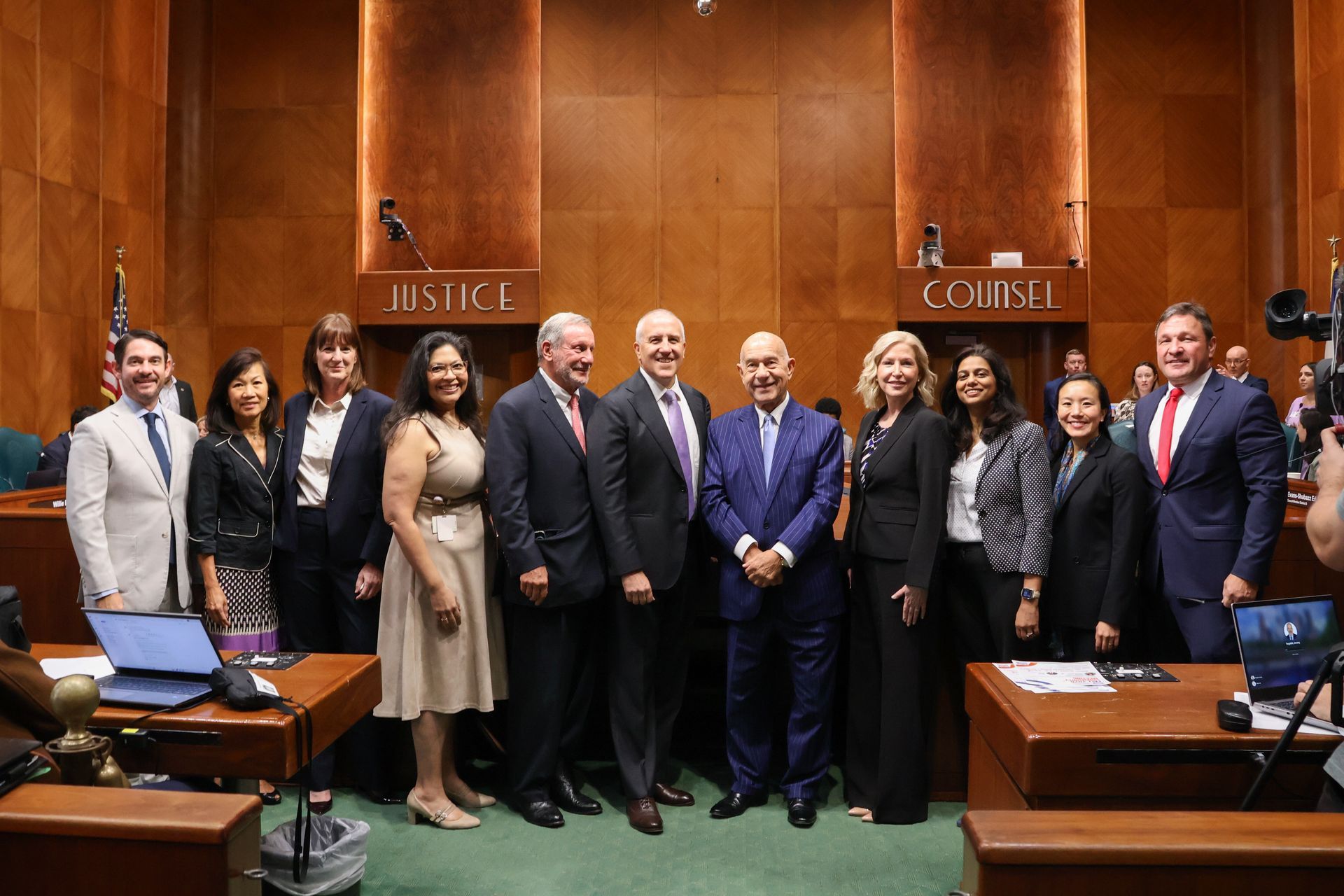
HOUSTON, Texas (Oct. 7, 2026) — Local private philanthropic leaders announced today the establishment of an unprecedented, dedicated fund to launch Pathways to Independence (P2I), a new regional, $48 million homelessness initiative. P2I will build on the area’s nationally acknowledged momentum to end street homelessness and to resolve new instances of homelessness within 90 days. P2I is designed to achieve long-term sustainability by securing public funding beyond an initial three-year period. $34 million (70%) has already been raised from local private philanthropies toward the $48 million goal. Speaking on behalf of philanthropic investors in this initiative, Ryan Dolibois, executive director of Sarofim Foundation and Chair of the P2I Executive Leadership Committee said, “The City of Houston, Harris County, and CFTH and the partners of The Way Home have made remarkable strides in addressing homelessness . Pathways to Independence is a regional action plan that builds on this work and writes the next chapter in how we address homelessness. We are building significant momentum and providing additional critical investment to amplify proven results, address persistent gaps in the current homeless response system, and give more people a path from homelessness to stability.” Co-created with the City of Houston, Harris County and the nonprofit Coalition for the Homeless of Houston/Harris County (CFTH), P2I’s first funders were The Brown Foundation, Inc.; Cullen Foundation; Houston Endowment; Kinder Foundation®; and Sarofim Foundation . The Homelessness Strategic Philanthropy Fund, a component fund of Greater Houston Community Foundation, will receive and steward charitable contributions and support grantmaking aligned with the initiative's approved strategy. (For a full list of funders to date, see Attachment 1.) Expanding the Region’s Response The Way Home is the Continuum of Care — or homeless response system as funded by the U.S. Department of Housing & Urban Development — serving Houston and Harris County, Fort Bend County, and Montgomery County. Coordinated by CFTH, it is a public-private partnership of dozens of organizations working together to make homelessness rare, brief, and nonrecurring. The Way Home has made nationally recognized progress , housing more than 38,000 people by aligning federal funding around a shared strategy of permanent housing programs. P2I builds on this model by adding faster, more flexible interventions; more accessible ways to reach help; stronger behavioral-health and healthcare coordination; and greater collaboration across systems that encounter the same individuals repeatedly. Among other interventions, P2I will expand available options for people who can quickly resolve their homelessness via targeted strategies. These “rapid resolutions” include creative problem-solving and short-term stabilization. Stronger coordination across housing, behavioral health, healthcare, criminal justice, and community service systems to reduce inflow into homelessness will also be critical. “Not everyone requires — or can qualify for — permanent housing programs to resolve their homelessness. P2I is designed for people our existing resources cannot currently reach quickly or effectively,” said Kelly Young, president and CEO of CFTH . “With this strategic philanthropic fund, our homeless response system will be able to fill critical gaps, test promising approaches, and invest in what works. The City of Houston and Harris County each bring essential expertise and investments to this regional strategy.” Building on City Investments The City of Houston recently made a bold investment in homelessness response with the opening of 419 Emancipation , designed to help people move off the streets and into a safe, structured environment where they can stabilize, have their needs assessed, connect to treatment and supportive services, and ultimately transition to appropriate housing solutions. “419 Emancipation has become an important new opportunity for people experiencing homelessness. And while we are seeing meaningful outcomes, there remains a critical need for more exit doors that lead to lasting stability,” said Houston Mayor John Whitmire . “Pathways to Independence will help create those next steps. I commend Houston’s philanthropic community for building on the City’s work with this substantial commitment. Let’s get to work.” Advancing Harris County’s Leadership The Harris County Sheriff’s Office, Harris County Housing & Community Development, Harris County Public Health, the Harris County Public Defender’s Office, the Harris County Office of County Administration, and other County partners all contribute to this work. These regional public systems often encounter people at critical moments when the right intervention can prevent homelessness bringing deep criminal justice, reentry, behavioral health, healthcare, housing and community service systems expertise and resources. “Harris County is committed to helping our communities thrive by strengthening eviction prevention and other supports that keep people housed and prevent homelessness before it begins,” said Harris County Precinct 1 Commissioner Rodney Ellis . “The County is continuing to invest to expand these proven strategies and, through this joint effort, leverage our resources to move faster and build lasting solutions. Housing is a human right, and I look forward to advancing our work to ensure every resident has a safe, stable place to call home.” “Harris County has made meaningful progress in reducing homelessness, and I am proud of the work we have done, but our work is not done yet,” said Harris County Precinct 2 Commissioner Adrian Garcia . “We are still seeing working families who are one paycheck away from losing everything. That is why we cannot afford to stand still. We must keep adapting and keep connecting people to the right services at the right time. That is exactly why I fully support Pathways to Independence. It gives people a hand up, meeting them where they are and helping them build a stable future.” “I’m proud to support Pathways to Independence, the next chapter in Harris County’s fight to end homelessness,” said Harris County Precinct 4 Commissioner Lesley Briones. “This data-driven initiative meets each person where they are, offering immediate assistance to help our neighbors get back on their feet with short-term relief, plus long-term support like housing, transportation, domestic violence services, and behavioral healthcare. Through the power of public-private partnership, we are doubling down on our efforts so that more people can find stability faster. We are relentlessly committed to ending homelessness and creating a Harris County where everyone can thrive." A Cross-Sector Strategy See the accompanying Supplemental Quotes document for additional quotes from: Ric Campo, Chairman and CEO, Camden Property Trust Thao Costis, Executive Director, Harris County Housing & Community Development Ed Gonzalez, Sheriff of Harris County, Harris County Sheriff's Office Steve Kean, President and CEO, Greater Houston Partnership Kris Larson, President and CEO, Downtown Houston+ Keena Pace, President and CEO, The Harris Center for Mental Health and IDD Mike Nichols, Director, City of Houston Housing and Community Development Department Larry Satterwhite, Director, Mayor's Office of Public Safety and Homeland Security The Brown Foundation, Inc. Cullen Foundation Houston Endowment Kinder Foundation® Stewarding the Investment Greater Houston Community Foundation will steward the dedicated component fund supporting the Pathways to Independence initiative. Foundations, corporations, families, and individuals interested in contributing should contact CFTH before making a donation . Katina Baldwin, senior director of development at CFTH, will coordinate contributions to go to the Homelessness Strategic Philanthropy Fund at Greater Houston Community Foundation, a Texas nonprofit corporation, and help ensure timely acknowledgment. She can be reached at katina.baldwin@cfthhouston.org or 832-531-6063. How to Get Help People experiencing homelessness or seeking local assistance can visit CFTH’s online Help Card for information about shelters, day centers, health care and other community resources. For free information and referrals to local assistance programs, call 2-1-1, the United Way of Greater Houston’s 24-hour helpline. About Pathways to Independence Led by an Executive Leadership Committee, Pathways to Independence (P2I) brings together philanthropy; local government; healthcare; business, nonprofit and community partners to resolve homelessness across Houston and Harris County. The initiative builds on the progress of The Way Home while expanding options for people who may not need or qualify for permanent housing programs. Through flexible investment, cross-sector coordination and disciplined evaluation, Pathways to Independence will help more people move from crisis to stability. For more information, visit https://www.cfthhouston.org/pathways About the Coalition for the Homeless of Houston/Harris County (CFTH) The Coalition for the Homeless of Houston/Harris County (CFTH) makes solving homelessness possible. We bring people, data, dollars, and systems together to accelerate sustainable solutions and to transform how the Houston region responds to homelessness. A 501(c)(3) nonprofit organization, CFTH is the convener and coordinator of Pathways to Independence and serves as the lead agency to The Way Home , our region’s Continuum of Care for homelessness response. For more information, visit www.cfthhouston.org . REGIONAL LEADERS ON PATHWAYS TO INDEPENDENCE Supporting Statements | Executive Leadership Committee (ELC) of P2I For the complete list of ELC members, visit https://www.cfthhouston.org/pathways Keena Pace, LCSW, Chief Executive Officer, The Harris Center for Mental Health and IDD "Housing stability and behavioral health are deeply connected. People are more likely to succeed when all systems work together rather than in isolation. Pathways to Independence creates an opportunity to strengthen those connections and help more people access the services they need to regain stability and improve their quality of life in a brand-new way." Kris Larson, President and CEO, Downtown Houston+ "A thriving downtown depends on both economic vitality and human well-being. Pathways to Independence has the potential to make a meaningful difference by helping more people move from homelessness into stability while improving the experience of residents, employees, visitors and businesses alike. That is good for the individuals receiving help, good for Downtown and good for Houston's future." Steve Kean, President and Chief Executive Officer, Greater Houston Partnership "Houston has a long history of solving complex challenges through collaboration. Pathways to Independence brings together philanthropy, government, business and community organizations around a shared goal and a shared set of outcomes. That kind of alignment is one of our region's greatest strengths." Michael C. Nichols, Director, City of Houston Housing and Community Development Department & Larry Satterwhite, Director of the Mayor’s Office of Public Safety and Homeland Security “We are grateful for these additional philanthropic funds, which will leverage government investment and give Houston’s homeless response system greater flexibility to help transition people from the streets to greater safety, stability and, ultimately, a safe place to call home.” Ric Campo, Executive Chairman of the Board, Camden Property Trust "Housing is foundational to opportunity. When people have stable housing, they are better positioned to succeed in work, education, health and family life. Pathways to Independence reflects a shared commitment to expanding stability while strengthening the systems that help people recover from housing crises and move forward." Sheriff Ed Gonzalez, Harris County Sheriff "We often encounter people at some of the most difficult moments in their lives. Too many individuals leave incarceration facing barriers that make it difficult to regain stability. Pathways to Independence supports a more coordinated approach that connects people to housing, treatment and services before they return to crisis. Helping people succeed after incarceration strengthens families, improves public safety and creates better outcomes for the entire community." Supporting Statements | Philanthropy The Brown Foundation, Inc. “The Brown Foundation responds thoughtfully and flexibly as Houston’s needs evolve,” said Ann Ziker, executive director of The Brown Foundation, Inc . “Pathways to Independence pairs visionary leadership with action and direct service. Our focus remains on the organizations and people doing the work to make Houston stronger.” Cullen Foundation “Pathways to Independence reflects the entrepreneurial spirit, optimism and collaboration that guide Cullen Foundation’s investments in Houston,” said Scott W. Wise, chief executive officer and chief investment officer of Cullen Foundation . “It brings together rigorous thinking and innovative approaches with the potential to create change at scale.” Houston Endowment "We are deeply proud to have partnered in and supported our region’s work to end homelessness since 2012—and of the extraordinary cross-sector collaboration that has driven meaningful progress,” said Elisa Villanueva Beard, president and CEO of Houston Endowment . “Pathways to Independence builds on that momentum, once again bringing people together to address homelessness at its roots. By combining evidence and local expertise with continuous learning and rigorous evaluation, our region can identify what works, adapt when needed, and once again set a national standard.” Kinder Foundation® “Kinder Foundation believes in transformational giving that improves quality of life in Greater Houston,” said Nancy Kinder, president and CEO of Kinder Foundation . “We were pleased to be a part of the initial funding for this bold regional strategy that delivers meaningful results for people experiencing homelessness.” For more information on Pathways to Independence, view our Media Kit.
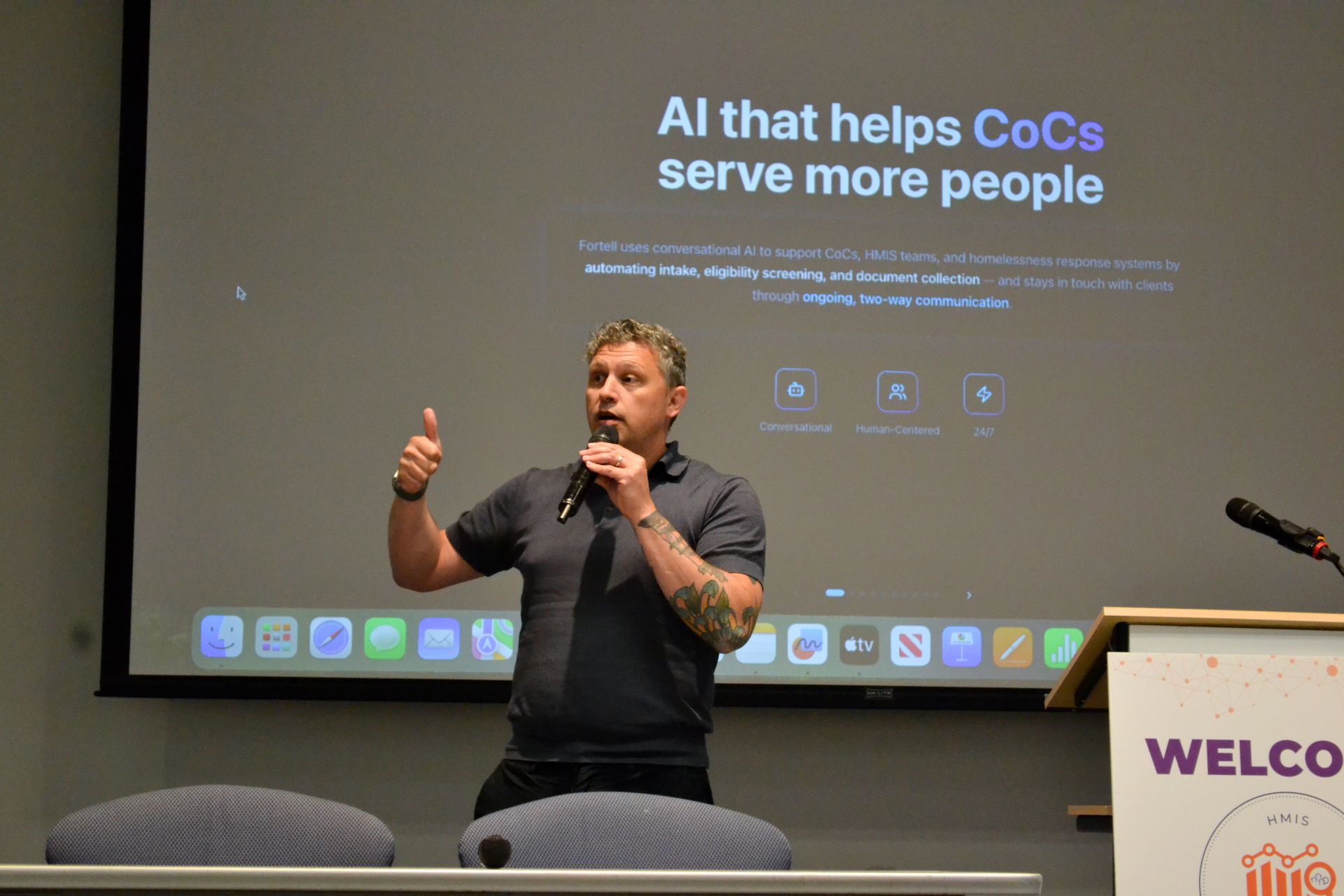
CFTH is testing how artificial intelligence can help connect people at risk of homelessness with existing prevention resources more efficiently.
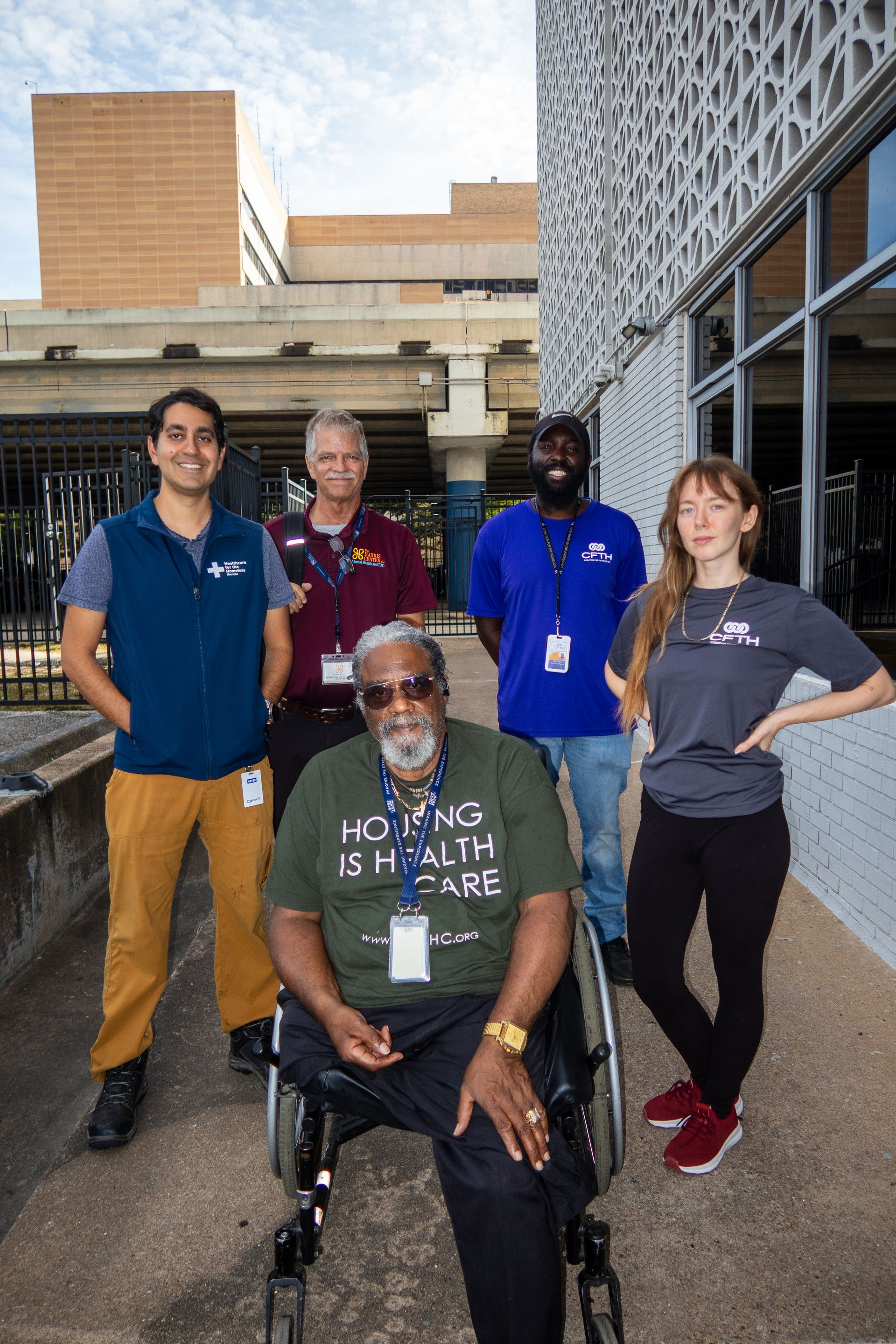
Learn how the SMART team brings CFTH and community partners together to connect people experiencing homelessness with coordinated care and support.